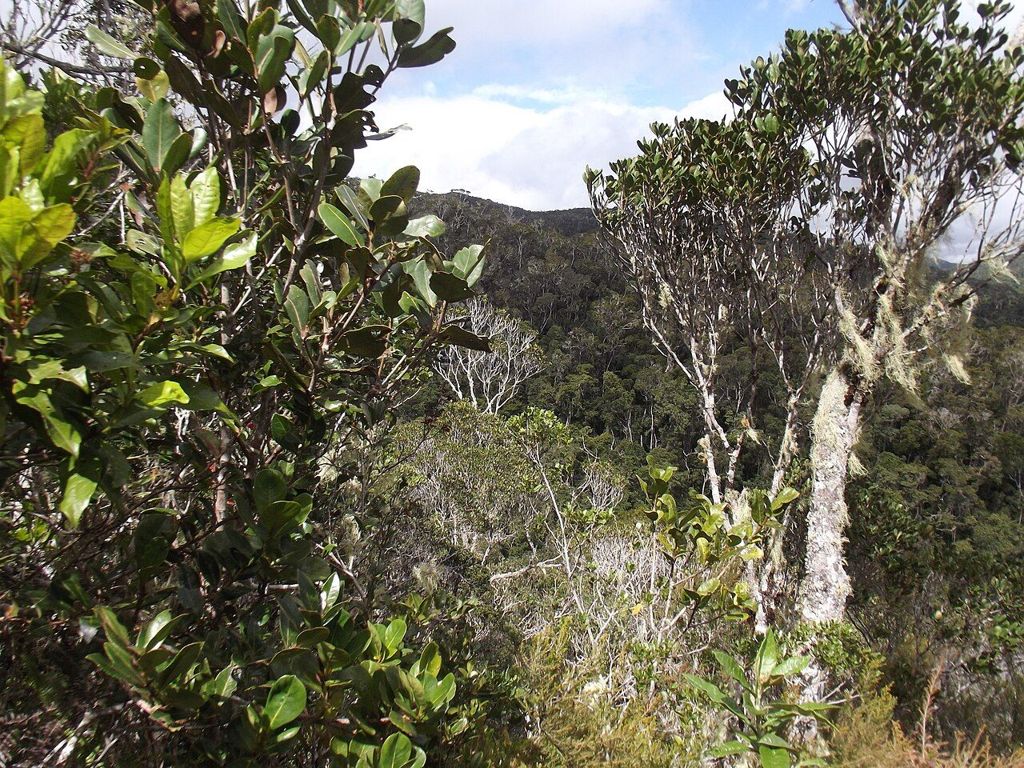
Madagascar's lemurs live nowhere else in the wild, and its eastern rainforests are where you hear the indri sing at dawn. Getting around takes time, and the slow pace is part of it.
Madagascar split from the rest of the world's land masses so long ago that most of its plants and animals evolved in isolation. Lemurs are the best-known result: a whole branch of primates, from tiny mouse lemurs that fit in a hand to the large, black-and-white indri, found in the wild almost nowhere but this island. Many species are threatened, mainly by the loss of forest, and the parks that protect them depend in part on visitors.
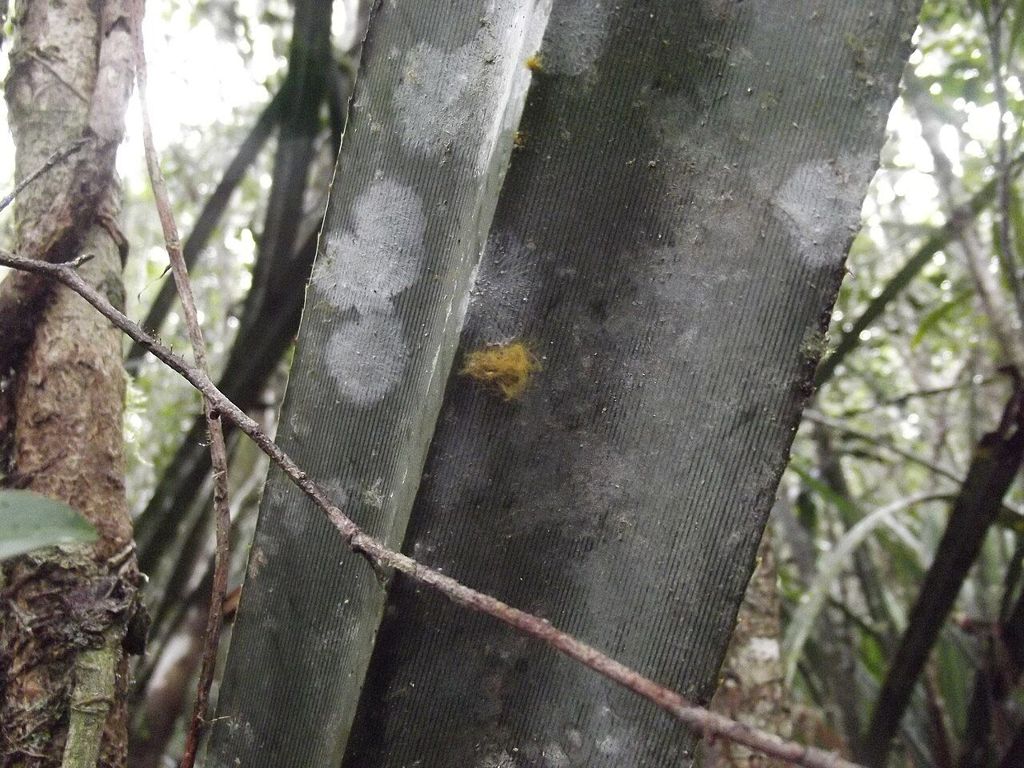
This note covers two of the most visited rainforest parks and the baobabs of the west. A word on the photographs: they show the forest at Andasibe-Mantadia and the baobab avenue, not lemurs, so the animals themselves are described only in words here.
Andasibe and the indri
Andasibe-Mantadia National Park lies in the eastern rainforest, a few hours' drive east of the capital, Antananarivo. It is the most accessible of Madagascar's rainforest parks and the best place to see the indri, the largest living lemur. Indri live in small family groups high in the trees, and they are famous for their song: a loud, wailing chorus that carries across the forest, usually in the morning. Hearing it for the first time is unlike anything else in the animal world.
The park has two main parts. The smaller area near the village of Andasibe has well-made trails and habituated indri groups. Mantadia, to the north, is wilder and less visited, with taller forest and other species such as the diademed sifaka. Visits inside the park are with local guides, and the park authority sets the rules and fees.
Walks start early, when the indri are most vocal and the forest is cool. Trails can be muddy and slippery after rain, with roots and short steep sections, but they are manageable for anyone of moderate fitness. Leeches are rare compared with some rainforests, though long trousers tucked into socks still make sense.
Night walks and smaller life
After dark, a different set of animals comes out. Night walks, usually held on roads and trails at the forest edge, offer the chance to see mouse lemurs and dwarf lemurs, whose eyes reflect the light of a torch, along with sleeping chameleons on twigs, frogs and insects. Chameleons are everywhere in these forests, from tiny species to large, slow ones, and they are often easier to find than lemurs.
Use a red or dimmed light where guides ask, keep your torch off animals' eyes for long periods, and never pick anything up. Chameleons are often handled for photographs; it stresses them, and you should decline.
Another wild place: Mountain gorillas in Uganda and Rwanda
Ranomafana
Further south, Ranomafana National Park protects steep, misty rainforest on the eastern escarpment, with rivers and waterfalls running through it. The park became known for the golden bamboo lemur, described by scientists only in the late 1980s, and it holds several other bamboo lemurs and many other species. The trails are steep and often muddy, and visits are again led by local guides.
The town of Ranomafana, below the park, has hot springs that gave it its name. Reaching it from Antananarivo takes a long day on the main road south, through highland towns, rice terraces and red hills.
Baobabs in the west
On the west coast, near the town of Morondava, a dirt road runs between rows of tall Grandidier's baobabs, one of several baobab species found only in Madagascar. This is the Avenue of the Baobabs, and it is at its most striking at sunrise and sunset, when the trunks glow and then turn to silhouettes. The trees are protected, and the area around them has seen efforts to conserve and replant.
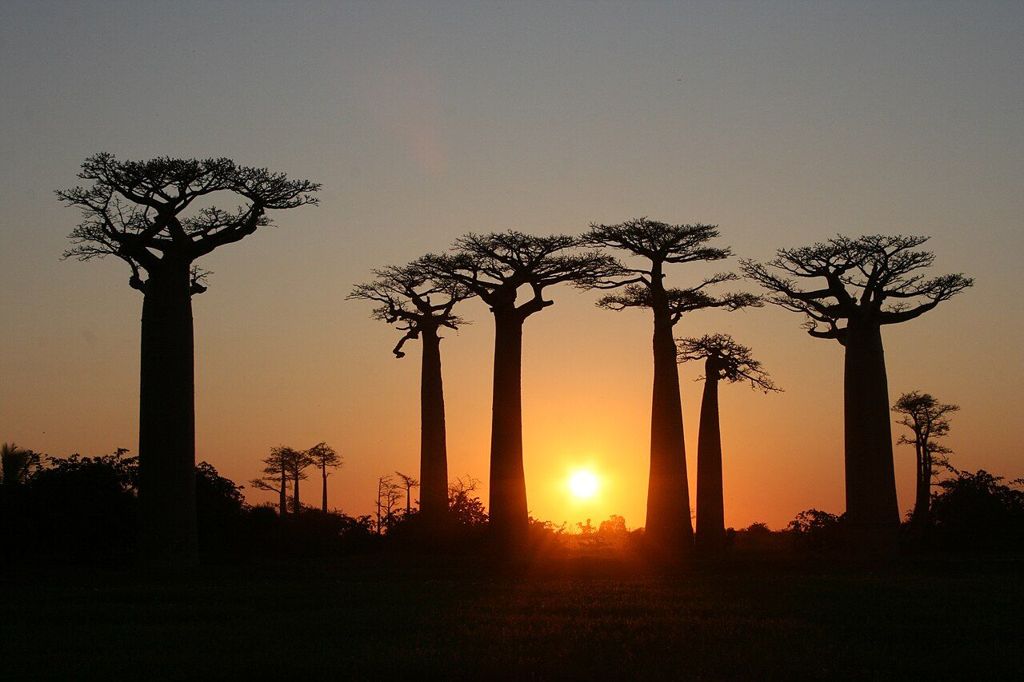
The west is drier than the east, with different forests and different lemurs, including sifakas in the dry deciduous forests. Reaching Morondava from the capital is a long drive or a flight.
The baobabs stand among villages and rice fields, and people live and work along the avenue. Ox carts pass at sunset, children walk home from school, and farmers tend their plots. Be considerate with cameras, ask before photographing anyone, and remember that the place is part of everyday life, not a stage set.
Slow roads and timing
Madagascar is large, and its roads are slow. Distances that look short on a map take a full day, and some routes become difficult or impassable in the rainy season. Allow more time than you think, plan fewer places rather than more, and expect delays to domestic flights. The rainy season, roughly December to March, brings heavy rain to the east and the risk of cyclones.
The months from September to November are often recommended: drier, warm, and a time when many lemurs have young. April to June is also good, with green forests after the rains.
Watching lemurs well
In a few places, lemurs have become used to being fed, and visitors are encouraged to hold out fruit for photographs. Avoid it. Feeding changes their behaviour and diet and can spread disease. Watch from a distance, keep your voice down, and let the guide find the animals. Binoculars help with the indri, which often sit high in the canopy.
Lemurs are Madagascar's equivalent of the great apes of Africa in their appeal, if not their size. For the African side of that story, see the note on mountain gorillas in Uganda and Rwanda. For a different island ecosystem shaped by isolation, see the Galapagos Islands.
Planning notes
- When: September to November
- Getting there: Fly to Antananarivo, then drive
- Bring: Rain jacket, torch, binoculars, insect repellent, patience