On these volcanic islands off Ecuador, animals that evolved without predators let you come surprisingly close. Strict park rules keep it that way, and the best visits respect them.
The Galapagos Islands lie in the Pacific about a thousand kilometres west of mainland Ecuador. They are volcanic, young in geological terms and isolated, and their animals have evolved in ways found nowhere else: giant tortoises, lizards that swim in the sea, birds that never learned to fear people. Most of the land and the surrounding sea are protected within Galapagos National Park and the Galapagos Marine Reserve.
Visitors come for the wildlife, and the wildlife is the reason for the rules. A trip here is as much about how you visit as where you go.
By boat or from land
There are two broad ways to see the islands. On a boat-based trip, you sleep on board and travel between islands at night, visiting a series of landing sites with a naturalist guide. This reaches more remote islands and spreads the visits across the archipelago. On a land-based trip, you stay in one or more of the inhabited towns, on Santa Cruz, San Cristobal or Isabela, and take day trips to nearby sites.
Boat trips cover more ground and reach places day trips cannot. Land-based visits suit people prone to seasickness and those who want more freedom in the evenings. Either way, visits to most sites in the national park must be made with a licensed naturalist guide, and visitor numbers at each site are managed.
Itineraries for boats are set in advance and approved by the park, so the islands you visit depend on the route rather than on the day's whim. Landings are either wet, stepping from a small boat into shallow water on a beach, or dry, stepping onto rocks or a jetty. Sandals that can get wet and still grip are useful for both.
Tortoises
Giant tortoises gave the islands their name; galapago is an old Spanish word for a tortoise. Several distinct kinds evolved on different islands, some with domed shells and some with saddle-shaped shells that let them reach higher vegetation. Some were driven to extinction by whalers, sailors and introduced animals, and the rest are the focus of long-running breeding and restoration programmes.
On Santa Cruz, wild tortoises roam the green, damp highlands, often grazing in fields and wallowing in muddy ponds. Breeding centres on several islands raise young tortoises for release and explain the work being done.
Another wild place: Polar bears in Svalbard
Marine iguanas
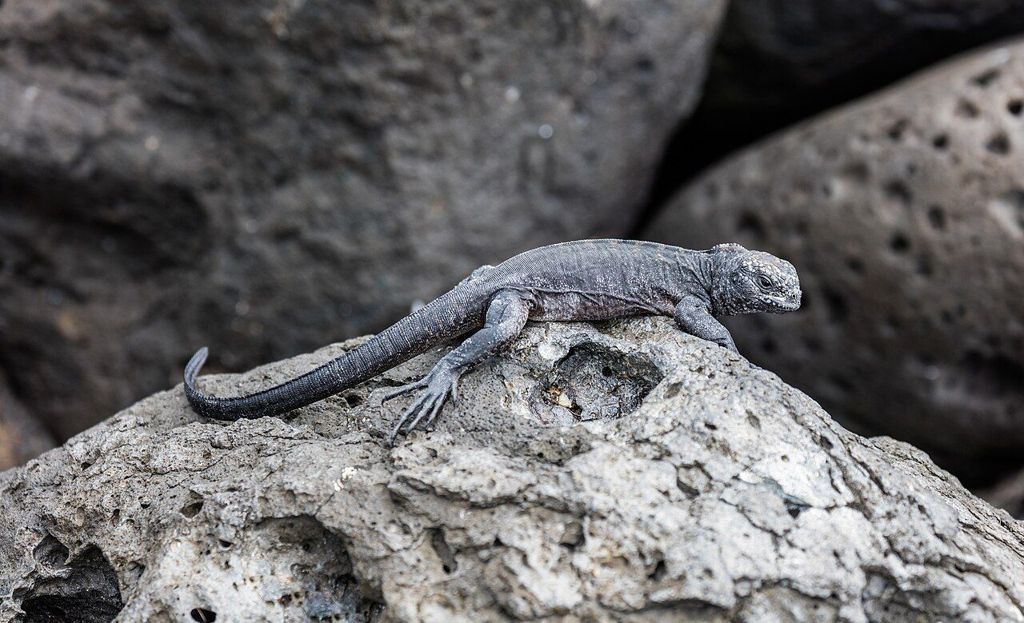
Marine iguanas are the only lizards in the world that feed in the sea. They graze on algae on rocks along the shore and, for the larger animals, underwater. When they come out of the cold water, they bask on black lava in heaps, warming up in the sun and sneezing salt from glands near their noses. Their dark colouring helps them absorb heat.
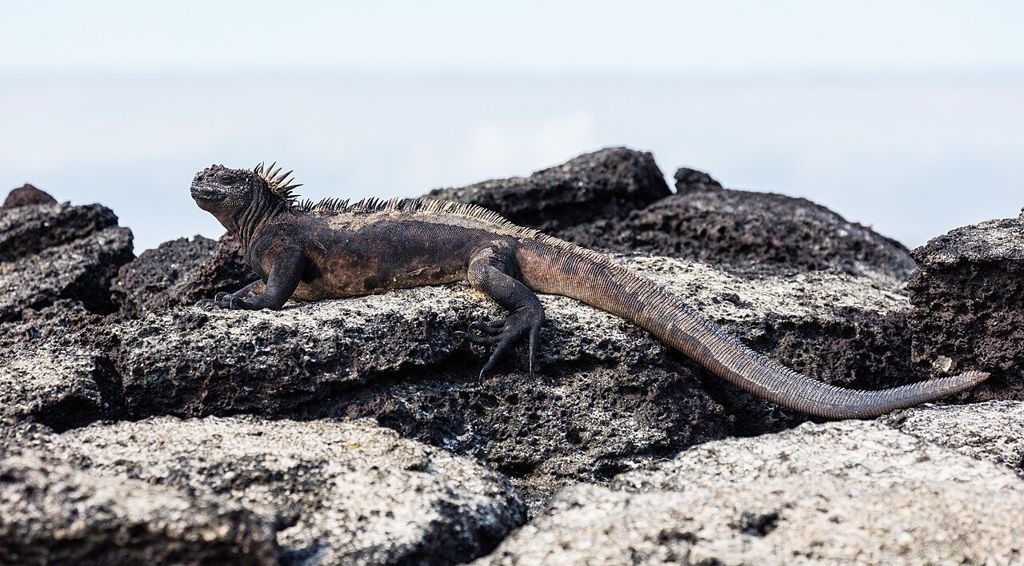
They are easy to see on many shores, and easy to step on if you are not looking. Watch your feet on any rocky landing.
Blue-footed boobies
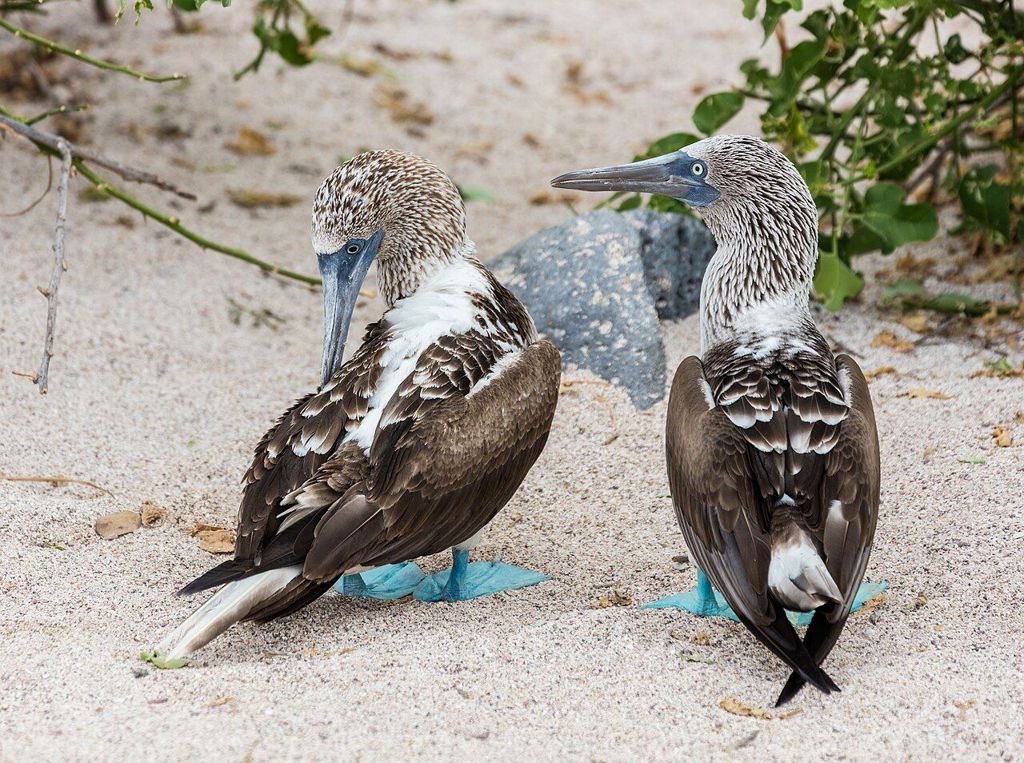
Blue-footed boobies are seabirds that plunge-dive for fish. Their bright blue feet play a central part in courtship, when males lift them in a slow, high-stepping display. They nest on the ground, often right beside the trails, and show little fear of visitors. Other boobies, frigatebirds, albatrosses on Espanola in season, flightless cormorants and the famous finches add to the list.
Below the surface, snorkelling brings sea lions, turtles, reef fish, rays and sometimes penguins, the only ones that live this close to the equator.
National park rules
The rules are clear, and guides enforce them. They protect animals that have no instinctive fear of people and could easily be harmed by careless visitors.
- Stay on marked trails and with your guide at all times.
- Keep a distance of at least two metres from animals, even if they approach you.
- Never touch, feed or chase wildlife.
- Use no flash when photographing animals.
- Take nothing away: no shells, rocks, sand or plants.
- Bring no food onto the uninhabited islands, and check your bags and shoes for seeds and soil between islands.
An entry fee and a transit control process apply to all visitors, and the amounts and procedures are revised from time to time. Look them up when you plan, as the rules apply before you reach the islands.
Seasons
The islands have two broad seasons. From about December to May, the air and water are warmer, seas are generally calmer, and showers fall in the afternoon. From about June to November, a cool current brings cooler water, overcast skies and a fine mist, with rougher seas but rich marine life. Wildlife is present all year, and each season has its highlights.
The equatorial sun is fierce in any month, even under cloud. Cover up between landings, reapply sunscreen after every swim, and drink steadily through the day. On boats, the swell between islands can be uncomfortable at night, so take motion sickness remedies before you need them rather than after.
The inhabited towns have grown quickly, and the islands face real pressures from tourism, fishing, invasive species and a changing ocean. Choosing a well-run visit, keeping to the rules and spending money locally are small but real ways to help.
The Galapagos make a striking contrast with other wild places in this collection. For another meeting with large marine animals, see whale sharks at Ningaloo Reef. For animals watched only from far away, see polar bears in Svalbard.
Planning notes
- When: All year; calmest December-May
- Getting there: Fly from mainland Ecuador
- Bring: Sun hat, reef-safe sunscreen, snorkel, motion sickness tablets